
Reviewed · WORKSHOPS
Antalya: Turkish Cooking Class with a Local Host
A Turkish cooking class in someone’s real home feels like a shortcut to local life. This Antalya experience is built around Sinem, an English-speaking home cook, and a warm 3-hour session where you make a four-course meal from scratch in a small group of six. I like that it is practical, not performance cooking, so you actually touch the food, learn the flow, and eat what you cook.
I especially like the focus on classic staples that you can’t fake at home without guidance, like börek and stuffed grape leaves (sarma). The Turkish tea welcome and the conversation angle also matter, because you are learning the why behind the food, not just memorizing recipes. One possible drawback to consider is that it is in a private home, so you should expect a cozy, lived-in setting and plan to get a little flour on your hands or clothes.
In This Review
- Key things that make this Antalya class worth your time
- Step into Sinem’s Antalya home kitchen
- Turkish tea, introductions, and the rhythm of a home meal
- The 4-course menu: börek, sarma, salads, and a seasonal main
- Course 1: börek style cooking with real hands-on practice
- Course 2: stuffed grape leaves (sarma) and the art of patience
- Course 3: seasonal salads that balance the meal
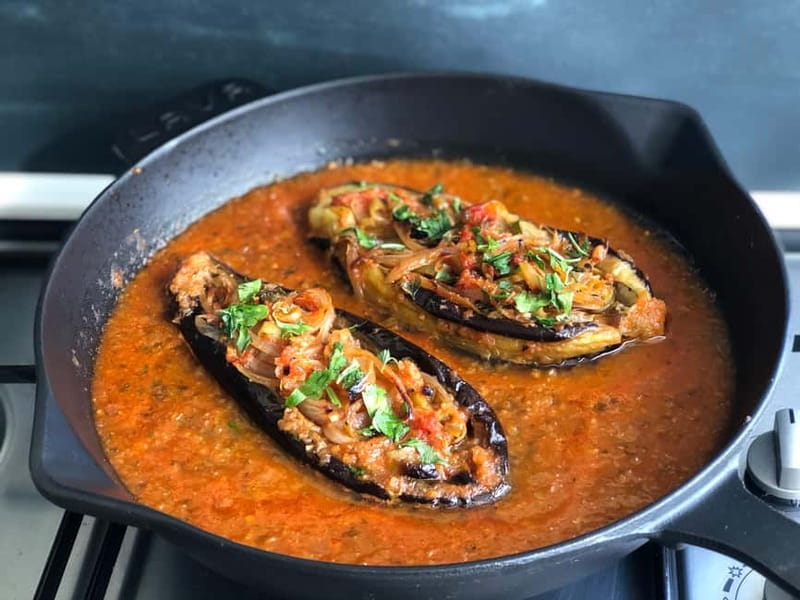
- Course 4: a hearty main course that changes with the season
- What you actually take home: skills, not just recipes
- Conversation at the table, plus the cultural part that doesn’t feel forced
- Group size and English instruction, why it matters for your comfort
- Price and logistics, what $94 buys in real life
- Who should book this Antalya Turkish cooking class
- Should you book this Turkish Cooking Class in Antalya?
- FAQ
- How long is the Turkish cooking class in Antalya?
- How many people are in the group?
- Is the cooking class taught in English?
- Where do you meet for the class?
- What dishes are included in the 4-course meal?
- Do you get Turkish tea during the class?
- What is the price per person?
- Is there a cancellation option and can I pay later?
Key things that make this Antalya class worth your time
- A true home kitchen, not a commercial demo space, so the pace feels human and relaxed
- Small group of 6, which means you get hands-on attention while cooking
- Four-course meal, including börek and sarma, plus salads and a hearty seasonal main
- English instruction, with a local host who keeps the experience friendly and social
- Turkish tea plus stories, so you leave with context, not just instructions
Step into Sinem’s Antalya home kitchen
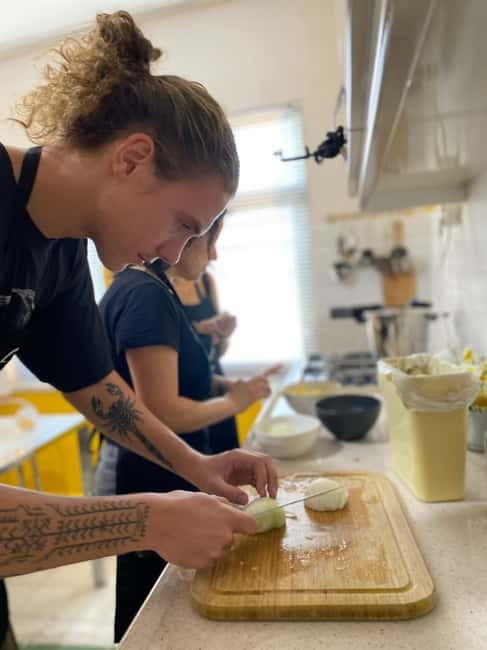
This class starts where so many food experiences should start, inside a real Antalya home. You meet at Sinem’s home, and that detail changes the whole vibe. Instead of walking into a studio and watching from the sidelines, you step into everyday space and learn how family-style cooking really works.
Because the group is limited to 6 participants, the kitchen does not turn into a chaotic line. You get time to ask questions, take turns, and actually participate in the prep and cooking. If you like learning by doing, this is the kind of setup that makes you feel useful, not just observant.
Also, the host is English-speaking, which makes a big difference in Turkey where food terms can move fast. Even if you know only a few Turkish words, cooking itself becomes the common language. You will still be able to follow along, especially since the class revolves around visible steps and shared tasks.
Make something to take home
- Antalya Old Town: Perfume Workshop Antalya with 100+Essences★ 5.0 · 444 reviews
- Antalya Old Town: Traditional Mosaic Lamp or Candle Workshop★ 5.0 · 379 reviews
- Antalya:Turkish Coffee Workshop + Fortune Telling + Gift Set★ 5.0 · 127 reviews
Turkish tea, introductions, and the rhythm of a home meal
Before the cooking begins, you start with Turkish tea and introductions. That early pause is not just a nice touch, it is smart. It helps you get comfortable in the space, and it sets a social tone so you are not suddenly thrown into chopping and rolling grape leaves with strangers.
In a home setting, tea also explains the pace. Turkish hospitality often works like this: you slow down, you talk, and you treat the table as the real event. When you understand that rhythm, the cooking steps make more sense, because you can feel the order of what needs to happen first and what can wait.
You also get the host’s background through conversation, including the idea that her approach comes from what she learned growing up from family. That matters because it means the recipes you take home are not just measured for tourists. They are shaped by tradition and repeated practice, the way home cooking usually is.
The 4-course menu: börek, sarma, salads, and a seasonal main
The heart of the class is a complete four-course meal, made with fresh ingredients. You are not just learning one dish and calling it a day. You build the meal as a system, which is exactly how most people want to cook at home later.
Here is what you can expect to make:
Course 1: börek style cooking with real hands-on practice
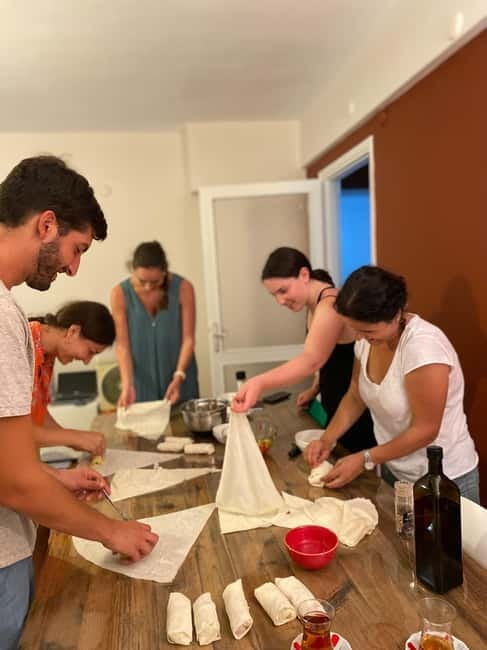
You will learn traditional börek, a classic Turkish pastry that comes in many forms. What makes it a great teaching dish is that it forces you to work with dough and filling, and it shows how layers or folding create texture. Expect to spend time on practical steps like preparing, assembling, and handling the dough components.
The value here is that börek can look intimidating in photos, but in a teaching setting you learn the basics that make it doable. Even if you do not copy the exact shape, you come away understanding the technique, the timing, and how to judge doneness.
Course 2: stuffed grape leaves (sarma) and the art of patience
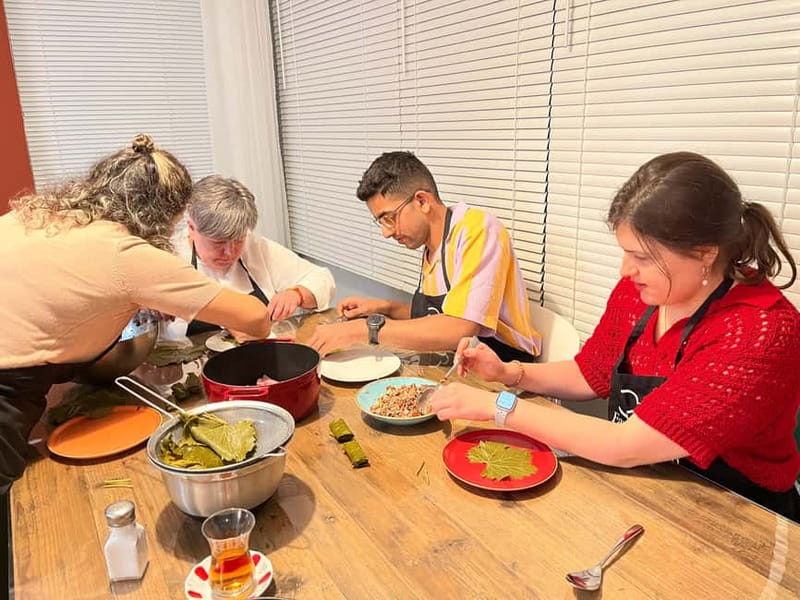
You also make stuffed grape leaves (sarma), one of Turkey’s most beloved comfort foods. This is the dish that turns a cooking class into a cultural experience, because sarma is all about patience and careful assembly. You get to feel why people brag about their grandmother’s method, because there really is a feel to rolling evenly.
In practical terms, you learn how to handle the leaves, portion the filling, and keep the rolls consistent enough that they cook well together. You also learn a lesson that applies far beyond sarma: when a dish is handmade, small choices matter, and practice makes it easier.
Add another stop to the itinerary before you book.
- Antalya: Ziplining, Rafting, Jeep Tour & Quad Safari w/Lunch
★ 4.6 · 3,260 reviews - Antalya: Suluada Island Boat Trip with Lunch & Hotel Pickup
★ 4.3 · 3,240 reviews - From Antalya/Kemer: Pamukkale & Hierapolis Day Trip w/Meals
★ 4.5 · 2,196 reviews - Pamukkale Hierapolis and Cleopatra’s Pool Tour with lunch from Antalya
★ 5.0 · 2,188 reviews - Antalya Luxury Old Town Tour with Cable Car & Boat Trip
★ 4.5 · 1,880 reviews
Course 3: seasonal salads that balance the meal
Between the pastry and the rolled filling, you make seasonal salads. This part matters more than it sounds. Salads are the counterweight to rich, warm dishes, and they make the meal feel complete rather than heavy.
If you enjoy eating well, you will like this course because it teaches you how Turkish home cooking balances flavors and textures. You are not just learning how to make the main stars, you are learning how to build a plate that feels right.
Course 4: a hearty main course that changes with the season
For the final course, you cook a hearty main course that changes with the time of year. That seasonal swap is not just trivia, it is a big part of why local cooking works. Food tastes better when it is aligned with what is available fresh and in season.
Since the exact main dish can vary, your best takeaway is how to think about the menu, not only the specific recipe. You will see how seasonal ingredients influence flavor, and you will learn how to treat the meal as a whole, with pastry, rolls, salads, and a satisfying main that ties it together.
What you actually take home: skills, not just recipes
A lot of cooking classes give you a printed list and a memory. This one is more useful because you learn patterns. You practice dough handling with börek, you work with leaves and filling for sarma, and you handle the assembly and balance that make the whole meal work.
That is why this class is a good value at $94 per person. Three hours is a short window, but you leave with the kind of knowledge that makes future meals feel manageable. You can cook again without starting from zero, because you will remember the sequence and the key moves.
Also, the ingredients are described as fresh and seasonal. That is important for two reasons. First, it means the food tastes like the real thing, not like a tourist shortcut. Second, it signals how the recipes are meant to be repeated at home, using ingredients you can actually find in season.
One more practical benefit: when you cook in a group, you also learn by watching. Even if you are doing your own tasks, you get to see how the host and others approach the steps. That matters when you want to recreate results later.
Conversation at the table, plus the cultural part that doesn’t feel forced
This experience is not just about food. It is a cultural conversation hosted through cooking and shared meals.
After you finish cooking, you sit down together and eat the four-course meal you made. That part is underrated. It turns the class into something more than a workshop, because you get to taste the finished result immediately, while everything is still fresh and warm.
You also get the kind of stories that come from family traditions and food memories. Sinem shares that cooking connects people to where they come from, and it is a way of remembering who taught you and why food brings people together. You do not need to be a history buff to appreciate that. It just makes the meal feel more meaningful.
The vibe stays friendly and relaxed. In past participant experiences, people often mention that the conversation and company make the class special, even when language is limited. That tells you this is a social class that still respects learning and hands-on work.
Group size and English instruction, why it matters for your comfort
With a maximum of 6 participants, the class stays personal. You are not competing for attention with a larger group, so you can ask questions in real time. That is especially helpful with dishes like sarma, where small technique differences show up in the final texture.
Since the instructor is English, you are not stuck guessing at steps. You can focus on the work, not decoding instructions. You also get a more direct connection to the host’s explanations, which makes the meal more than just a checklist of recipes.
If you are traveling with limited Turkish, do not worry. Cooking tasks are visual, and the host’s tone is described as welcoming. You will likely spend less time translating and more time learning the actual mechanics of each dish.
Price and logistics, what $94 buys in real life
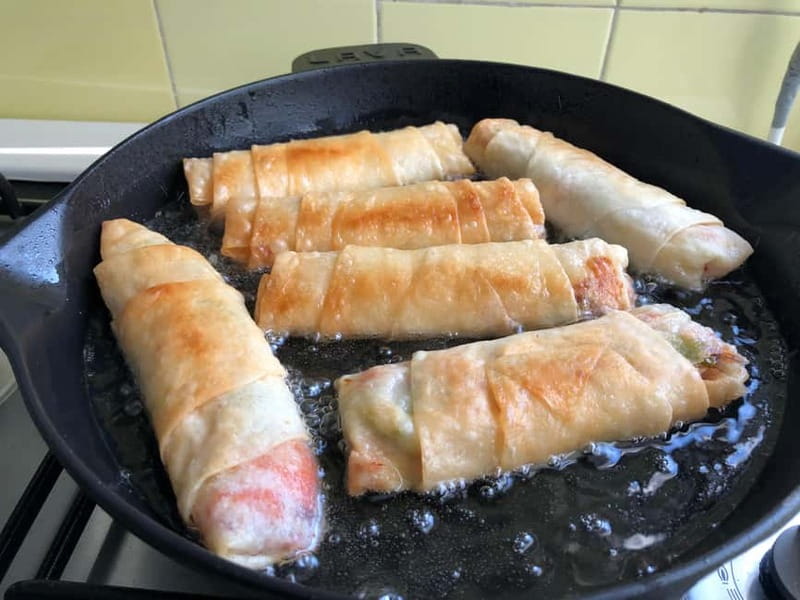
Let’s talk value in plain terms. $94 for 3 hours is not cheap, but it is not inflated for a private-home, hands-on meal experience either.
Here is why it feels worth it:
- You are making a four-course meal, not one dish
- You get hands-on instruction in a kitchen setting
- You also get Turkish tea and a host who shares context
- The group size is small enough that you participate, not watch
If your goal is only to eat good food, you could find cheaper meals outside. But if your goal is to learn how to reproduce Turkish cooking at home, this format saves you time. You get technique, pacing, and guidance that would take multiple trial runs to figure out on your own.
One logistics consideration is that meeting at a private home means the experience is less formal. Dress like you plan to cook. Bring your curiosity, and understand that the kitchen is shared space, so keep your phone use light while cooking gets underway.
Who should book this Antalya Turkish cooking class
Book this if you want a hands-on Antalya cooking class with a local host and you like learning through cooking, not just listening. It is a strong choice for couples, solo travelers, and small groups who enjoy conversation at the table and want more than a generic food tour.
It also suits you if you are specifically interested in Turkish classics you can’t easily recreate without help, like börek and sarma. And if you like seasonal food, the rotating main course and seasonal salads give you a taste of how locals actually think about what to cook.
If you hate hands-on activities or you want a purely sightseeing-focused day, this may feel too kitchen-centered. But if you are happy spending a few hours cooking, eating, and chatting, it is a great use of time in Antalya.
Should you book this Turkish Cooking Class in Antalya?
Yes, if you want a real home experience where you cook a full meal and get context from the person who lives it. The combination of a small group, English instruction, a four-course menu, and the tea plus stories setup makes it feel personal and practical.
I would skip it only if you are looking for a large, high-energy group activity or you do not want to cook at all. Otherwise, this is the kind of class that leaves you fed, entertained, and better equipped to make Turkish food back home.
FAQ
How long is the Turkish cooking class in Antalya?
The class lasts 3 hours.
How many people are in the group?
It is a small group, limited to 6 participants.
Is the cooking class taught in English?
Yes, the instructor speaks English.
Where do you meet for the class?
You meet at the host’s home.
What dishes are included in the 4-course meal?
You will prepare dishes such as börek, stuffed grape leaves (sarma), seasonal salads, and a hearty main course that changes with the time of year.
Do you get Turkish tea during the class?
Yes, Turkish tea is included, along with the meal and cultural conversation.
What is the price per person?
The price is listed as $94 per person.
Is there a cancellation option and can I pay later?
There is free cancellation up to 24 hours in advance for a full refund, and you can reserve now and pay later.
Just landed on the site



Workshops, compared.
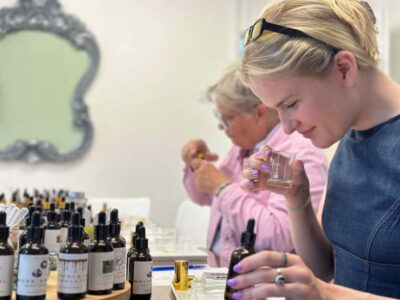
Antalya Old Town: Perfume Workshop Antalya with 100+Essences
Read our review →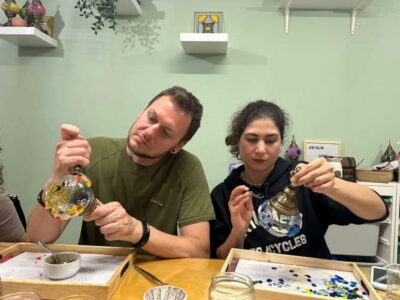
Antalya Old Town: Traditional Mosaic Lamp or Candle Workshop
Read our review →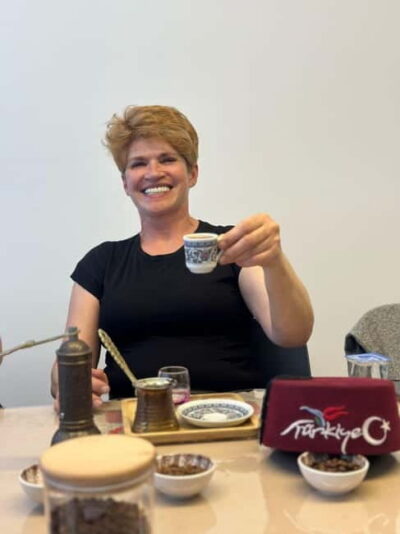
Turkish Coffee Workshop + Fortune Telling + Gift Set
Read our review →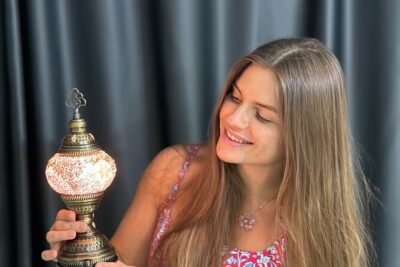
Turkish Mosaic Lamp Workshop in Antalya Near Old Town
Read our review →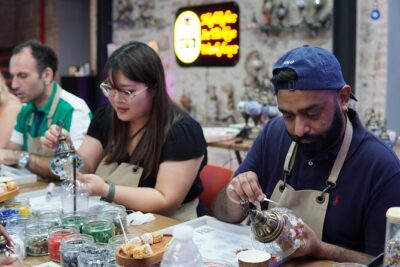
Turkish Mosaic Lamp Workshop in Old Town – All Included
Read our review →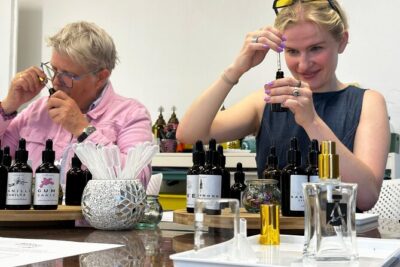
Antalya Old Town : Perfume Workshop with 90+ Essences
Read our review →
Perfume Workshop with Secret Recipe +90 Essences
Read our review →More of this kind of Antalya day